
Creating a relaxing home workspace is essential for maintaining productivity and comfort, especially as more people work from home. A well-designed workspace not only helps you focus but also reduces stress and improves your overall well-being. In this post, we’ll explore practical tips for setting up a calming and efficient home office that meets your needs.
Choose a Quiet and Comfortable Spot
Find a Dedicated Area
Start by selecting a specific area in your home that will be your workspace. This space should be separate from leisure or busy areas to help you mentally distinguish work time from relaxation.
Minimize Noise Distractions
Look for a quiet spot or use noise-canceling headphones if your home tends to be noisy. Soft background music or white noise can also help mask distracting sounds.
Focus on Ergonomics
Select the Right Chair
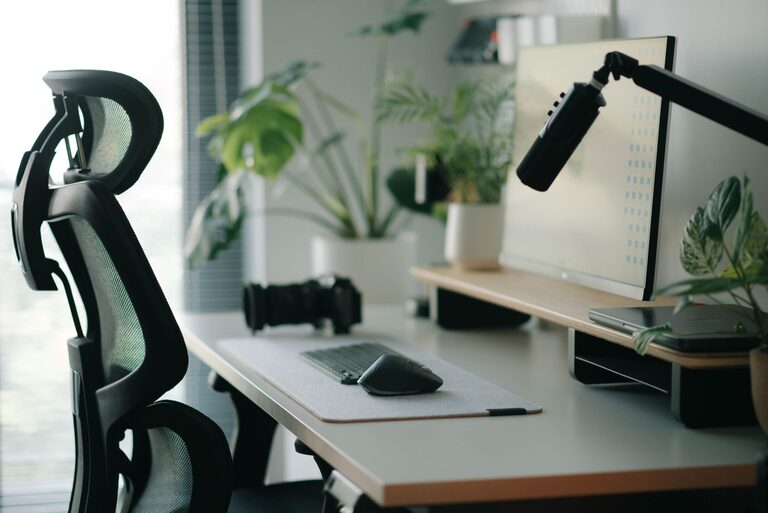
Invest in a comfortable chair with good lumbar support. Sitting properly helps prevent back and neck pain during long hours of work.
Position Your Desk and Screen Correctly
Your desk should allow your arms to rest comfortably at a 90-degree angle when typing. Place your monitor at eye level to avoid neck strain.
Create a Clutter-Free Environment
Use Storage Solutions
Keep supplies organized with shelves, drawers, or desk organizers. A tidy workspace fosters clearer thinking and reduces anxiety.
Practice Daily Decluttering
Spend a few minutes at the end of each day clearing your desk, filing papers, and putting away tools to start fresh the next morning.
Let in Natural Light
Maximize Daylight
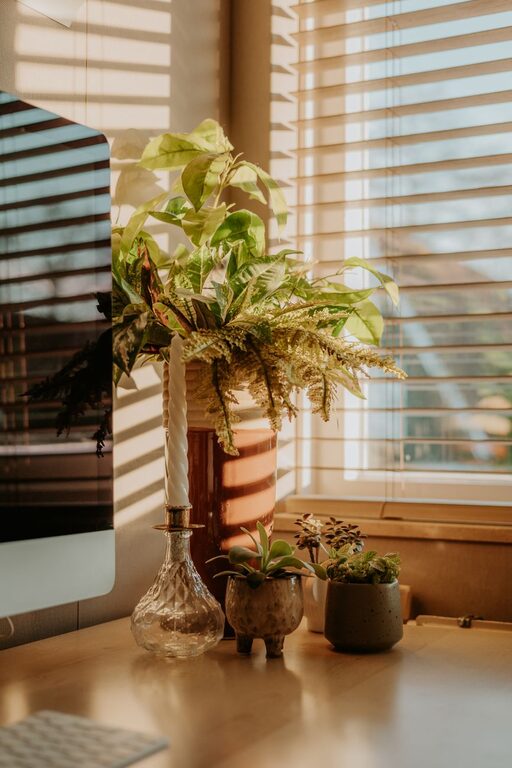
Position your desk near a window to take advantage of natural light, which can boost mood and energy.
Avoid Screen Glare
Arrange your workspace so sunlight doesn’t create glare on your computer screen. Use blinds or curtains as needed.
Personalize Your Space
Add Soothing Elements
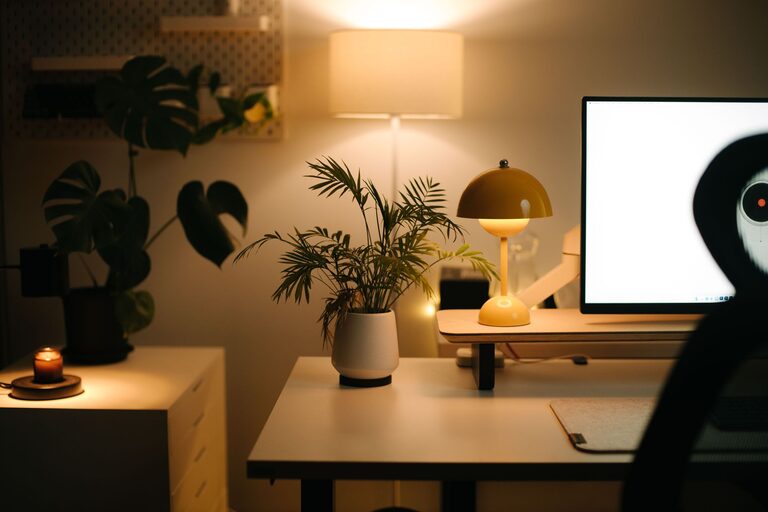
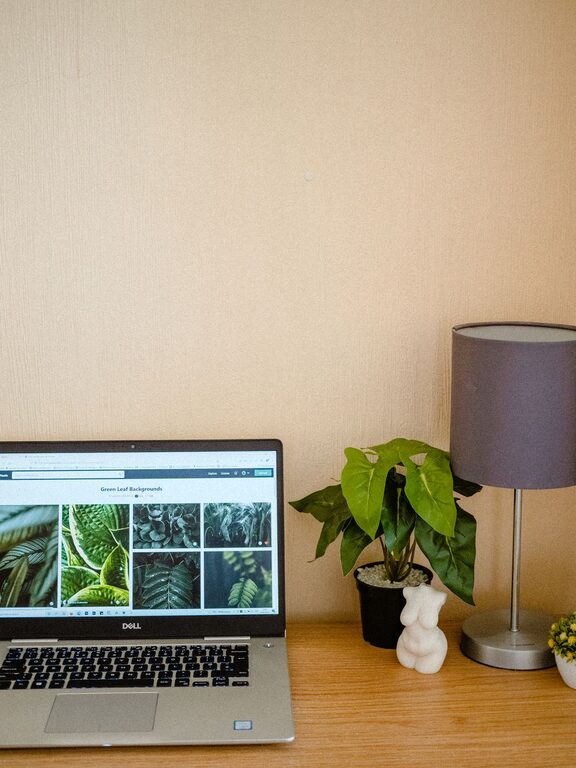
Incorporate items that promote relaxation, such as plants, a small water fountain, or calming artwork.
Use Calming Colors
Choose soft, neutral colors or shades of blue and green for your workspace to create a serene vibe.
Incorporate Movement and Breaks
Set Up a Stretching Area
Designate a small space for stretching or simple exercises to stay active during the day.
Follow the 20-20-20 Rule
Every 20 minutes, look at something 20 feet away for 20 seconds to reduce eye strain.
Manage Technology Wisely
Limit Digital Clutter
Turn off unnecessary notifications and keep your desktop and browser organized to stay focused.
Use Cable Management
Keep cords tidy with clips or sleeves to prevent tangling and distractions.
Introduce Calming Scents
Use Essential Oils or Candles
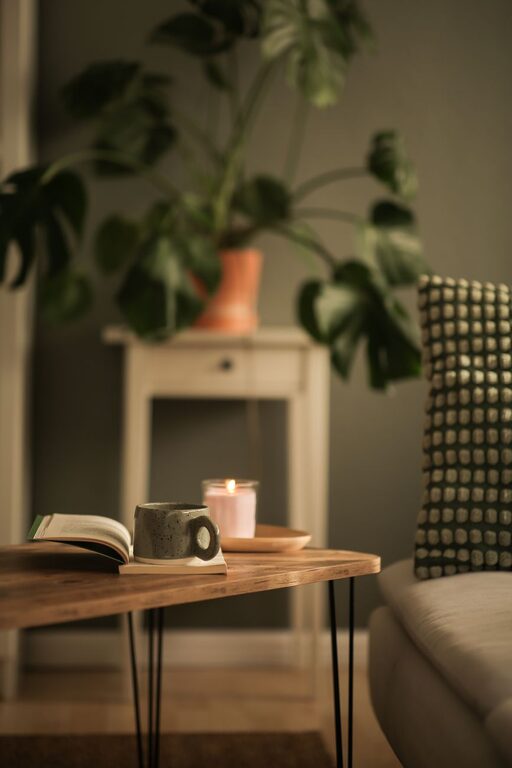
Lavender, chamomile, or eucalyptus aromas can create a peaceful atmosphere, but ensure proper ventilation.
Keep Hydrated and Nourished
Keep a Water Bottle Nearby
Staying hydrated supports concentration and energy levels.
Have Healthy Snacks Accessible
Keep fruits, nuts, or other nutritious snacks within reach to maintain steady energy.
Final Thoughts
Creating a relaxing home workspace is a balance between functionality and comfort. By choosing the right location, organizing your area, and adding personal touches, you can make your work environment a place where you feel calm and motivated. Remember, small changes can make a big difference in your daily work experience. Take time to adjust your workspace to what feels best for you, and enjoy the benefits of a peaceful, productive home office.
About the Author