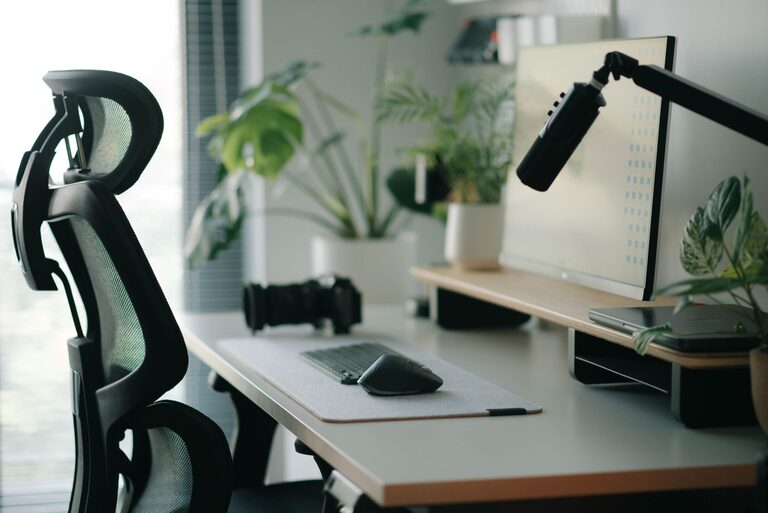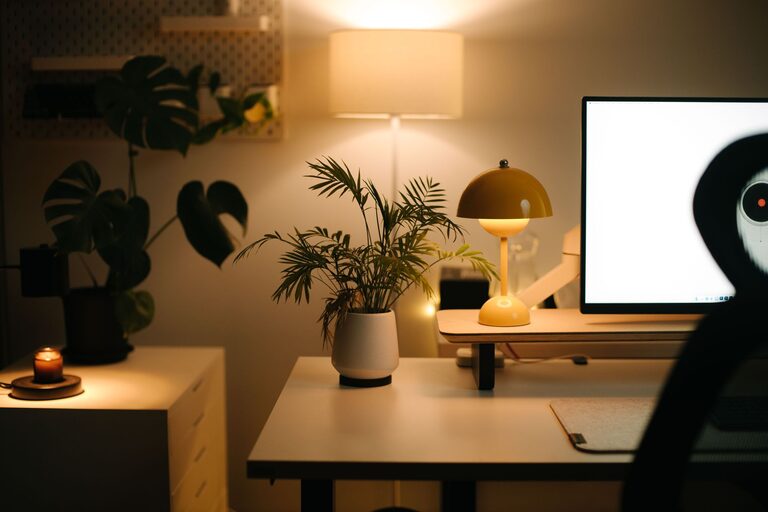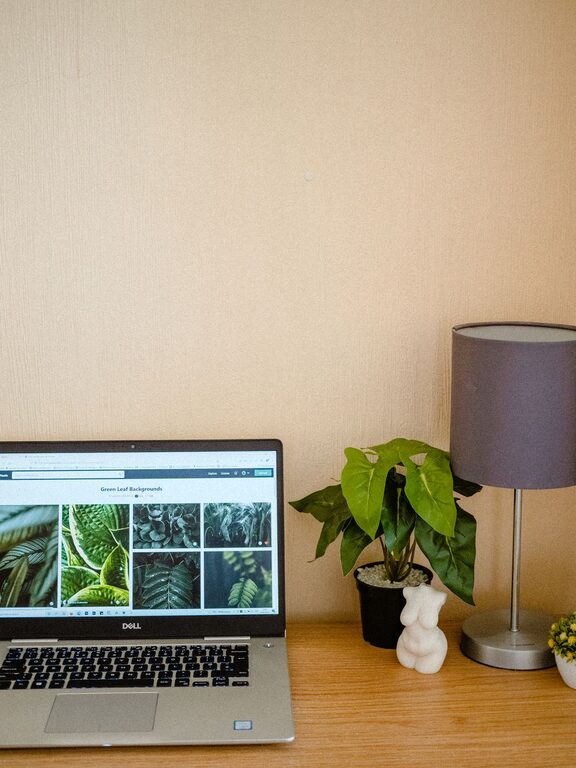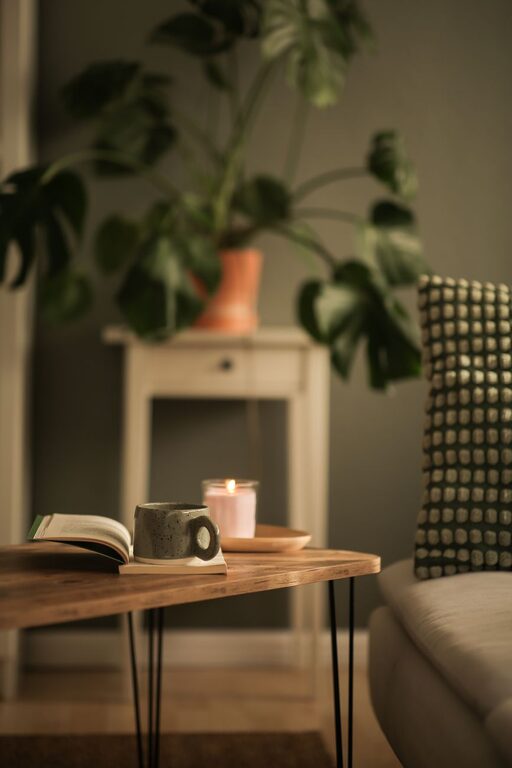
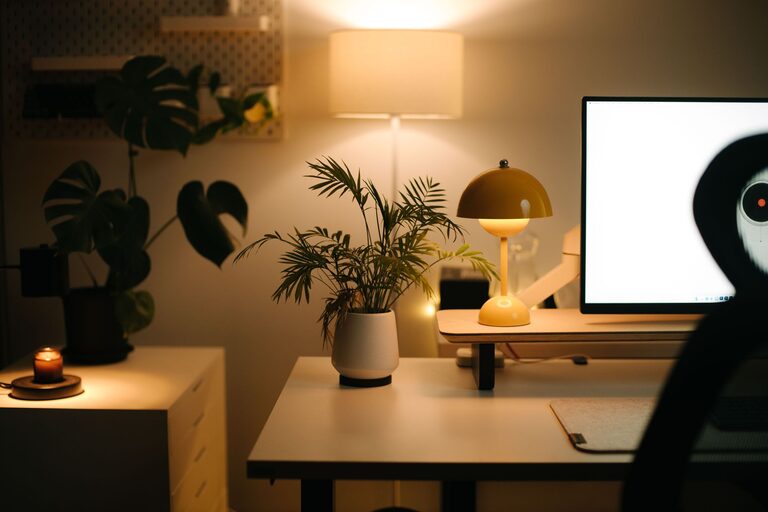
Creating a cozy and inviting home office is more important than ever, as many people spend a significant amount of time working from home. A well-designed workspace can improve focus, reduce stress, and make your workday more enjoyable. Whether you have a dedicated room or just a small corner, there are many ways to craft a comfortable and inspiring environment that suits your needs.
1. Choose the Right Location
Finding the best spot for your home office is a fundamental first step.
– Natural Light: Aim to position your desk near a window to take advantage of natural light. This can improve mood and energy levels throughout the day.
– Quiet Space: Select a location with minimal distractions and noise, away from high-traffic areas.
– Comfortable Layout: Ensure you have enough room to move around and to store the equipment or materials you need.
2. Invest in Ergonomic Furniture
Comfort is key to staying productive for long periods.
– Ergonomic Chair: Choose a chair that supports good posture with adjustable height, lumbar support, and comfortable cushioning.
– Desk Height: The desk should allow you to work with your elbows at a roughly 90-degree angle to reduce strain.
– Footrest and Keyboard Tray: These additions can help keep your body aligned and comfortable.
3. Personalize Your Space
Adding personal touches makes your office feel welcoming and uniquely yours.
– Decor: Hang artwork or photos that inspire or relax you.
– Plants: Greenery can bring life to a room, improve air quality, and reduce stress.
– Color Scheme: Choose calming colors like soft blues, greens, or warm neutrals. You can add pops of color with accessories.
4. Organize Efficiently
A clutter-free space can enhance focus and reduce frustration.
– Storage Solutions: Use shelves, filing cabinets, or desk organizers to keep papers and supplies tidy.
– Cable Management: Use clips, tubes, or ties to keep cords under control and out of sight.
– Daily Declutter: Spend a few minutes at the end of each day putting items back in their place.
5. Lighting Matters
Proper lighting helps reduce eye strain and sets the right mood.
– Layered Lighting: Combine overhead light with task lighting, such as a desk lamp, to brighten your working surface.
– Adjustable Fixtures: Use lamps with dimmers or adjustable arms to direct light where needed.
– Avoid Glare: Position screens and lights to reduce reflections on your monitors.
6. Create Zones for Different Activities
If your space allows, designate areas for specific tasks.
– Work Zone: Main desk area for computer work and writing.
– Thinking Space: A comfortable chair or small sofa where you can read or brainstorm.
– Storage Area: Shelves or cabinets organized for supplies and documents.
7. Incorporate Technology Thoughtfully
Make sure your tech supports your workflow.
– Reliable Internet: A strong Wi-Fi connection or wired setup is essential.
– Quality Equipment: Invest in a good monitor, keyboard, mouse, and headphones.
– Tech Placement: Arrange devices to minimize neck or eye strain.
8. Add Comfort Details
Small touches can make a big difference in comfort.
– Cozy Textiles: Place a soft rug underfoot or add cushions and throws.
– Temperature Control: Use a fan, space heater, or adjust thermostat to keep the temperature comfortable.
– Refreshments: Keep a water bottle or cup nearby to stay hydrated.
9. Maintain Regular Breaks and Movement
Your environment should encourage healthy habits.
– Stretching Space: Make room for occasional stretching or short exercises.
– Natural Breaks: Step outside or near a window for fresh air and sunlight.
Final Thoughts
Creating a cozy and inviting home office isn’t just about looks—it’s about crafting a space where you feel comfortable, motivated, and focused. By balancing functionality with personalization, you can enjoy a workspace that supports both your professional goals and personal well-being. Start small by incorporating a few of these tips, and gradually shape your office into a place you look forward to working every day.
About the Author